Mastering the Art of Stealth Technology
A comprehensive roadmap for understanding the science, engineering, and future of low-observable systems in modern warfare
RCS Reduction
From 10m² to 0.005m²
Metamaterials
Next-gen absorption
AI Design
70,000 training samples
Key Insight
Modern stealth technology has reduced aircraft detectability by over 99.9%, transforming military aviation and creating new challenges in detection technology.
Learning stealth technology requires a structured approach that begins with the foundational physics of detection and signature reduction, progresses through the core engineering techniques of shaping and materials, and culminates in an understanding of advanced systems integration and cutting-edge developments like AI-powered design and metamaterials.
What You'll Learn
Foundational Science
Radar physics, thermal dynamics, and acoustic principles
Engineering Methods
RCS reduction, material design, and systems integration
Future Technologies
AI optimization, metamaterials, and quantum systems
A Structured Learning Path
Master stealth technology through a systematic progression from fundamental principles to advanced applications
Stealth Technology Learning Journey
1.1 Foundational Knowledge: The Science of Invisibility
Radar Theory and Cross-Section Basics
A comprehensive understanding of stealth technology begins with a deep dive into the fundamentals of radar and the concept of Radar Cross-Section (RCS). According to Bahman Zohuri's "Radar Energy Warfare and the Challenges of Stealth Technology," the initial phase of learning should focus on the principles of radar as a detection system [135].
Radar Range Equation
Understanding this equation is essential for grasping how radar performance is affected by factors like power, antenna gain, wavelength, and the target's RCS. The equation is explored in various forms for surveillance, tracking, and different clutter environments.
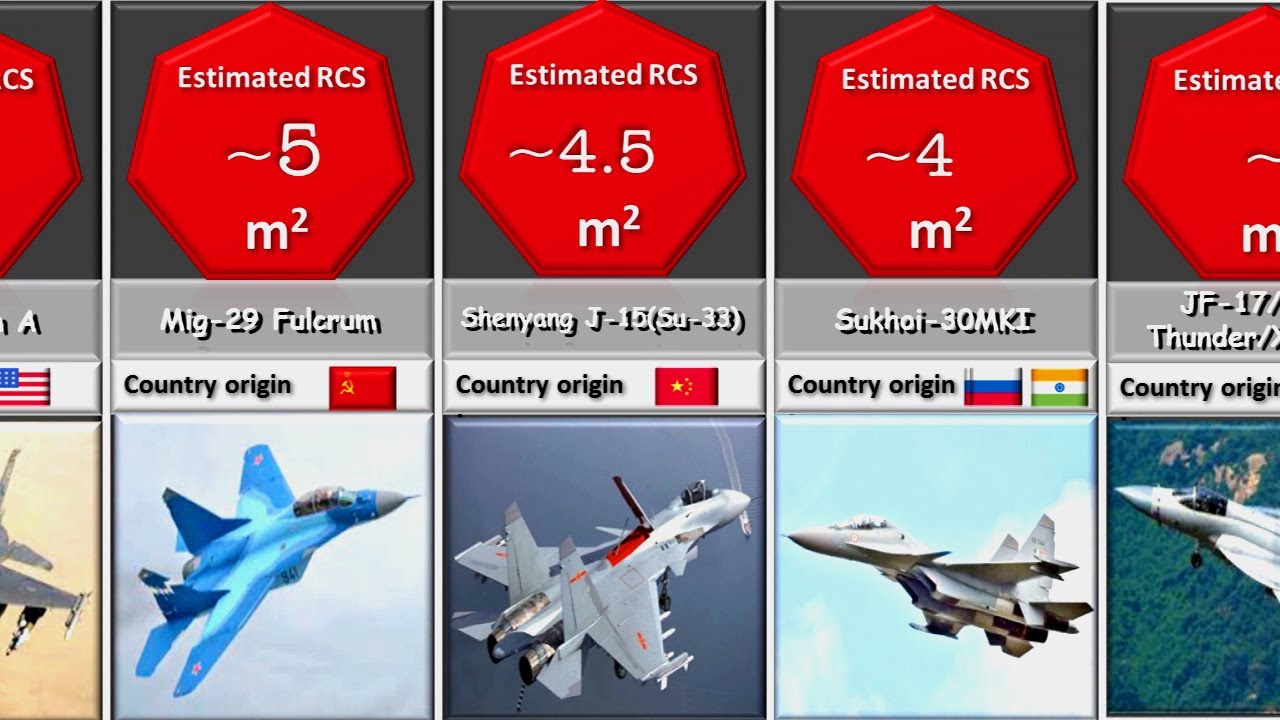
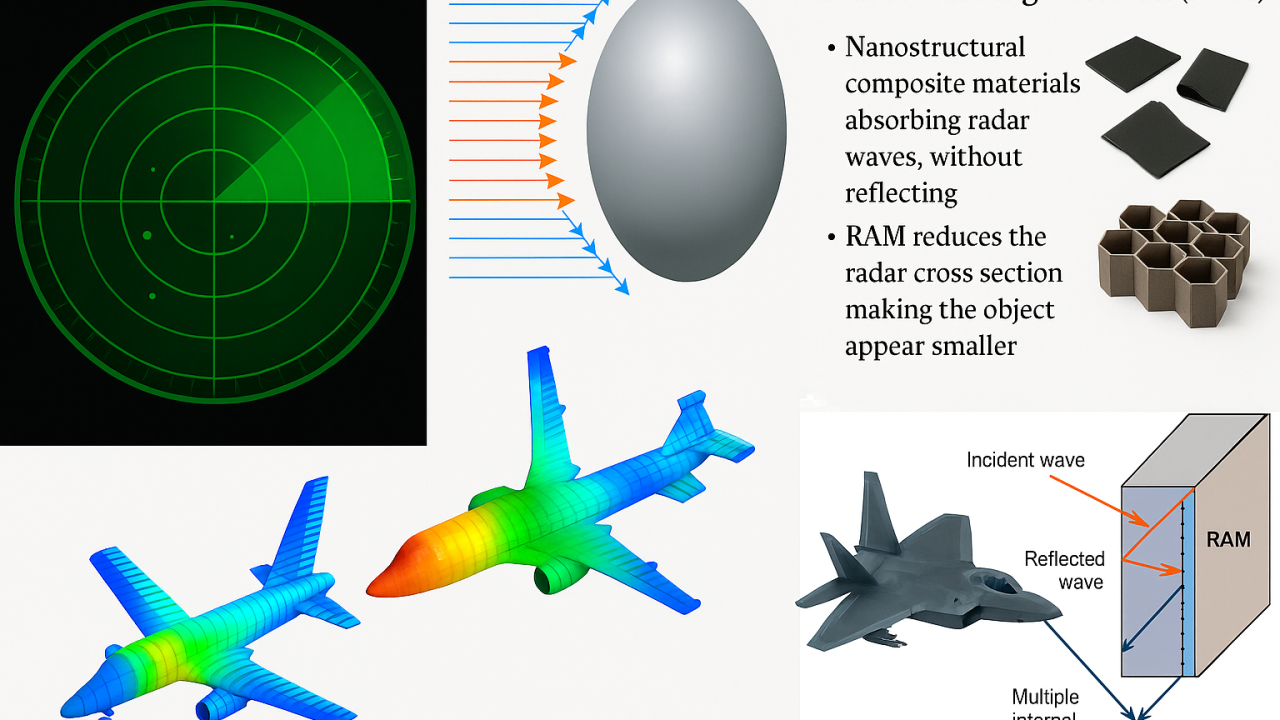
The concept of Radar Cross-Section (RCS) is central to stealth technology, representing the measure of a target's ability to reflect radar signals back to the receiver. A conventional aircraft might have an RCS of several square meters, whereas a stealth aircraft like the F-22 or J-20 is designed to have an RCS as low as 0.005 square meters from the front aspect [123].
Key Frequency Bands
- X-band (8-12 GHz): Critical for modern military applications
- S-band (2-4 GHz): Long-range surveillance
- Ku-band (12-18 GHz): High-resolution targeting
Infrared Radiation and Thermal Dynamics
Beyond radar, a critical aspect of stealth technology is the management of infrared (IR) signatures. Any object with a temperature above absolute zero emits thermal radiation, which can be detected by IR sensors. The primary sources of IR emissions are engine exhausts, hot surfaces, and friction from airspeed.
IR Signature Suppression Techniques
- • Shielding hot components from direct line-of-sight
- • Mixing cool air with exhaust gases
- • Special IR-suppressing paints and coatings
- • Complex nozzle designs like the F-22 "platypus" exhaust

Acoustics and Sound Propagation
Acoustic stealth is of paramount importance for naval vessels, particularly submarines, where sound is the primary means of detection underwater. Sonar systems work by emitting sound waves and listening for the echoes that are reflected back from objects [6].
Cavitation Reduction
Quiet propellers reduce bubble formation
Anechoic Coatings
Sound-absorbing rubber/polymer composites
Hydrodynamic Design
Streamlined hulls reduce flow noise
Modern stealth submarines, such as the Virginia-class and Scorpène-class, combine these techniques to operate with very low acoustic signatures, making them extremely difficult to detect [6].
1.2 Core Methods of Signature Reduction
Radar Cross-Section Reduction
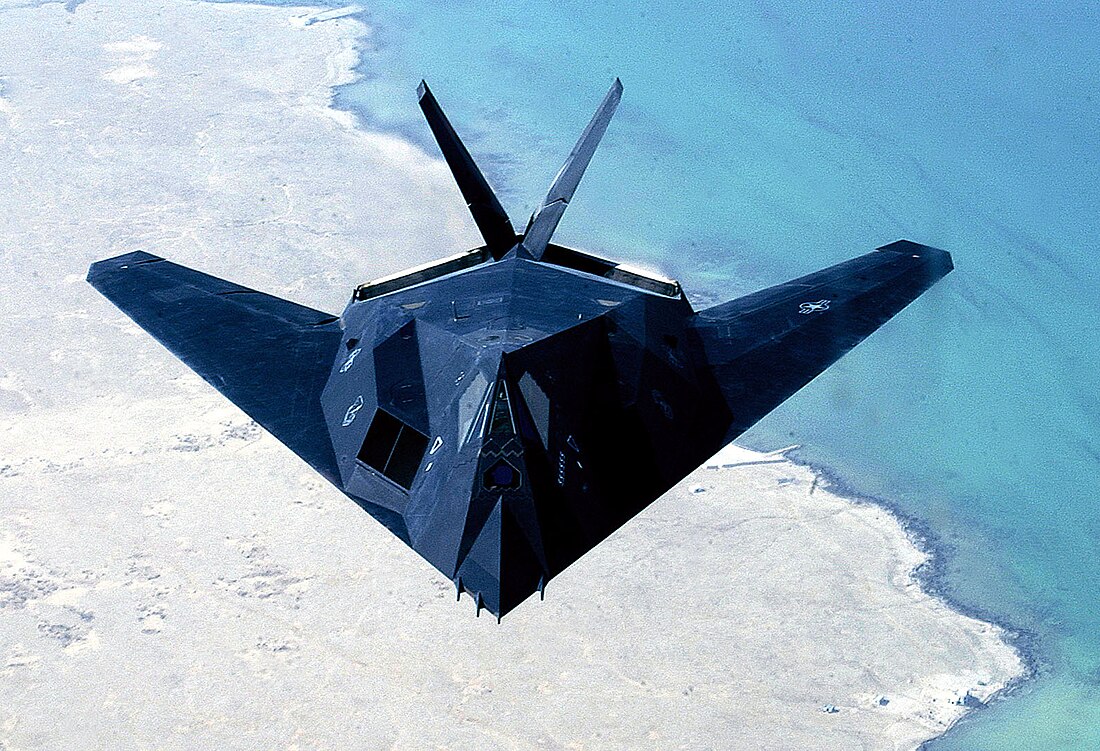
The cornerstone of radar stealth is the reduction of the Radar Cross-Section (RCS) through two primary strategies: shaping and the use of radar-absorbing materials (RAM). Shaping focuses on designing physical contours to deflect incoming radar waves away from the source.
Shaping Evolution
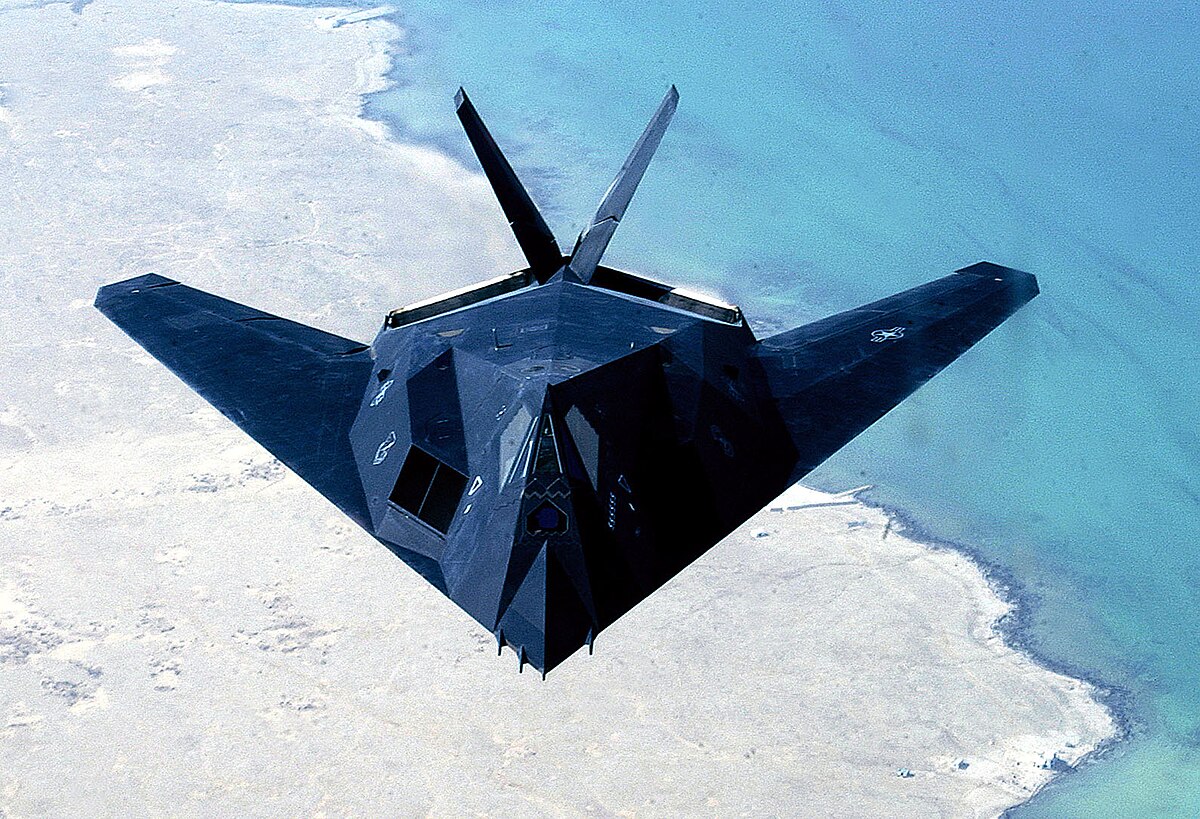
- F-117 Nighthawk: Early faceted design approach
- Modern Aircraft: Combination of faceting and continuous curvature
- F-22/F-35: Advanced shaping with aerodynamic efficiency
Radar-Absorbing Materials (RAM) are designed to absorb incident radar energy and convert it to heat. The combination of shaping and RAM creates synergistic effects for dramatic RCS reduction [133].
RAM Types
- Resonant Absorbers: Work at specific frequencies
- Broadband Absorbers: Wide frequency coverage
- Hybrid Structures: Multi-layer optimization
Infrared Signature Suppression

Infrared signature suppression aims to reduce thermal emissions to evade detection by IR sensors and heat-seeking missiles. The primary sources are engine exhausts, hot metal surfaces, and aerodynamic heating.
Component Shielding
Hot engine parts shielded from direct sensor view
Exhaust Cooling
Ambient air mixed with hot exhaust gases
Special Coatings
Low-emissivity IR-suppressing paints
Electronic Emission Control
Electronic emission control, or EMCON (Emission Control), involves minimizing electromagnetic emissions from military platforms to avoid detection by electronic intelligence (ELINT) systems [6].
Technical Measures
- • Electromagnetic shielding of onboard electronics
- • Low-probability-of-intercept (LPI) techniques
- • Spread spectrum and frequency hopping
- • Very low power transmission levels
Operational Procedures
- • "Silent mode" operation for submarines
- • Restricted radar usage timing
- • Directional transmission constraints
- • Emission discipline protocols
1.3 Advanced Integration and Systems Engineering
Multi-Spectral and Multi-Domain Stealth
Radar Spectrum
Microwave absorption and shaping
Infrared
Thermal signature management
Visual/Optical
Multispectral camouflage
Multi-spectral and multi-domain stealth represents the pinnacle of modern low-observable technology, moving beyond single-signature reduction to address detectability across the entire electromagnetic spectrum. This advanced concept recognizes that contemporary battlefields are characterized by dense networks of diverse sensors [182].
Material Integration Challenge
Materials effective at absorbing microwave radiation (radar stealth) often have high thermal emissivity, making them vulnerable to infrared detection. Advanced multi-layered structures are being developed to resolve these conflicting requirements.
Integration with Electronic Warfare (EW)
Stealth technology is most effective when integrated with a comprehensive Electronic Warfare (EW) suite. The interplay between stealth and EW is complex and dynamic - stealth reduces detection range, while EW systems can jam or deceive enemy radars when detection occurs.
EW Components
- Electronic Support (ES): Threat detection and analysis
- Electronic Attack (EA): Jamming and deception
- Electronic Protection (EP): Self-protection measures

Stealth in Unmanned Systems (UAVs, Drones)
The application of stealth technology to unmanned systems is a rapidly growing field with significant implications for future warfare. Unmanned systems offer advantages in high-risk environments without endangering human lives, and stealth capabilities enhance their utility for surveillance, reconnaissance, and strike missions [90].
Loyal Wingmen
Stealthy UAVs supporting manned fighters
AI Integration
Autonomous operation and threat adaptation
System of Systems
Cohesive manned-unmanned force integration
Major Algorithms, Techniques, and Tools
Essential computational methods and engineering techniques for stealth technology development
2.1 Computational and Simulation Algorithms
Electromagnetic Simulation Methods
The design and analysis of stealth platforms rely heavily on advanced computational electromagnetic (CEM) simulation methods. These algorithms allow engineers to predict electromagnetic wave interactions without expensive physical prototyping. The ANSYS white paper emphasizes the importance of a "first-time-right" design approach enabled by sophisticated simulation tools [107].
FEM
Finite Element Method
Complex geometries and materials
FDTD
Finite-Difference Time-Domain
Broadband simulations
MoM/IE
Method of Moments
Large metallic structures
SBR
Shooting & Bouncing Rays
High-frequency approximations
Radar Cross-Section Prediction and Analysis
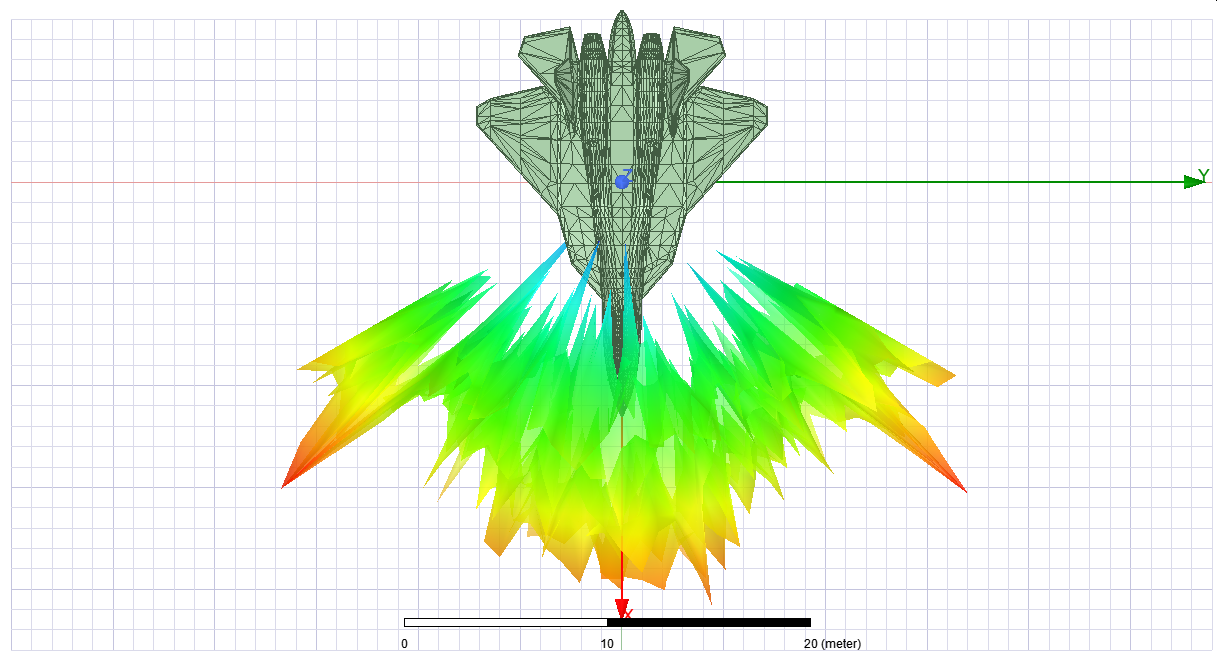
RCS prediction involves using computational models to simulate electromagnetic wave interactions with targets and calculate scattered energy. This process is essential for evaluating stealth design features and identifying "hot spots" that contribute significantly to radar signatures.
Advanced Imaging
Inverse Synthetic Aperture Radar (ISAR) techniques visualize RCS patterns and identify specific features responsible for radar signatures, providing invaluable guidance for design optimization [104].
2.2 Design and Optimization Algorithms
AI and Machine Learning in Stealth Design
The integration of Artificial Intelligence (AI) and Machine Learning (ML) into stealth design represents a paradigm shift from traditional brute-force methods to intelligent, efficient workflows. Conventional approaches relying on iterative EM simulations and evolutionary algorithms like Particle Swarm Optimization (PSO) and Genetic Algorithms (GA) are notoriously resource-consuming [196].
Deep Learning Breakthrough
A deep learning model trained on 70,000 examples successfully mapped metasurface unit cell patterns to reflection characteristics, dramatically accelerating design cycles.
Compared to brute-force evaluation of 2^64 possible combinations for a 16×16 lattice, AI models predict optimal configurations without exhaustive simulation.
Optimization Algorithms
- • Particle Swarm Optimization (PSO)
- • Simulated Annealing
- • Genetic Algorithms
- • Array Pattern Synthesis (APS)
Achievements
- • Ultra-wideband diffusion metasurfaces (-10 dB)
- • Frequency range: 11.3 GHz to 40 GHz
- • Coding metasurface optimization
- • Broadband RCS reduction
2.3 Key Techniques for Signature Reduction
Shaping Techniques
Shaping is a fundamental technique for reducing RCS by designing geometry to deflect incoming radar waves away from the radar receiver. This involves careful control of surface angles and curves to minimize specular reflections.
Faceted Design
Flat panels angled to reflect energy away from source (F-117)
Continuous Curvature
Smooth surfaces maintaining aerodynamic performance (F-22)
Edge Alignment
Serrated edges concentrating reflections into narrow spikes
Radar-Absorbing Materials (RAM) and Structures (RAS)
RAM and RAS are fundamental components designed to minimize RCS by attenuating electromagnetic energy reflected back to radar receivers. Traditional materials like M-type barium hexaferrites are being enhanced with advanced composites and nanomaterials [196].
Multi-Layered Designs
20 dB RCS reduction from 5.8-11 GHz using phase cancellation
Resistive Patches
Ultra-thin substrates with varying patch dimensions
Nano-Composites
Enhanced absorption with gallium-doped hexaferrites
Equivalent Circuit Models (ECM)
ECM represents meta-atom behavior as combinations of inductors, capacitors, and resistors, enabling prediction of absorption frequencies and tuning of structural parameters for optimal performance.
Active Cancellation and Cancellation Systems
Active cancellation is an advanced technique using electronic systems to generate secondary electromagnetic waves that are equal in amplitude but opposite in phase to reflected radar waves, causing destructive interference and reducing overall radar signature.
System Components
- • Sensors detecting incoming radar signals
- • Processors calculating cancellation signals
- • Transmitters emitting cancellation waves
- • Real-time adaptive response systems
Technical Challenges
- • Wide range radar signal detection
- • Complex scattering behavior prediction
- • Real-time processing requirements
- • System reliability and affordability
Despite challenges, active cancellation offers significant RCS reduction potential, particularly for platforms difficult to make stealthy using passive techniques alone [104].
2.4 Industry-Standard Software and Tools
High-Frequency Simulation Software (HFSS)
HFSS is an industry-standard tool based on the Finite Element Method (FEM) for simulating electromagnetic behavior of high-frequency components. It's essential for stealth platform design, accurately modeling radar wave interactions with complex geometries and materials [107].
Key Capabilities
- • Electromagnetic field visualization
- • Hotspot identification and analysis
- • Complex material modeling
- • RCS optimization workflows
- • "First-time-right" design approach
Virtual Reality (VR) Training Environments
Northrop Grumman has developed VR-based training programs for low observable aircraft mechanics, using virtual simulations to practice applying and removing radar-absorbing coatings in safe, controlled environments [132].
Training Benefits
- • Immersive learning experience
- • Hazardous material elimination
- • Cost-effective large-scale training
- • Equipment damage prevention
- • 13-week, 130-hour comprehensive course
Cutting-Edge Developments
Exploring the latest breakthroughs shaping the future of stealth technology
3.1 Advanced Materials and Metamaterials
Metasurfaces for RCS Reduction
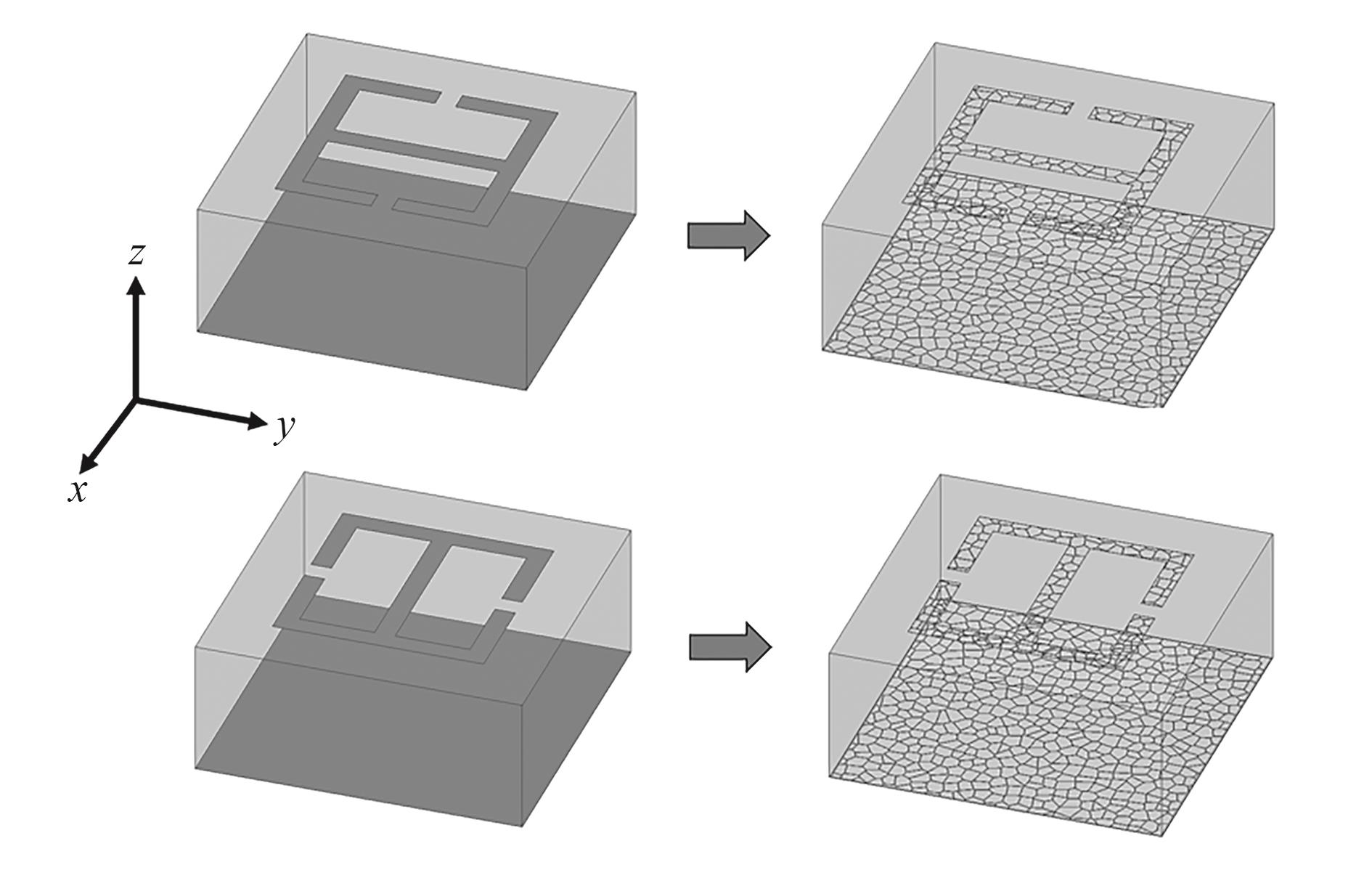
Metasurfaces have emerged as revolutionary technology for controlling electromagnetic waves and reducing RCS. These ultrathin, two-dimensional structures consist of periodic arrays of sub-wavelength scatterers (meta-atoms) that can be precisely engineered to manipulate phase, amplitude, and polarization [194].
Key Advantages
- • Negligible thickness and reduced weight
- • Ease of fabrication and integration
- • Broadband and polarization-insensitive operation
- • Wide-angle effectiveness
Diffusion Principle
Non-uniform reflection phase distribution scatters radar energy in multiple directions, reducing power density in any single direction. The "chessboard" configuration with PEC and AMC blocks creates destructive interference between adjacent elements.
Coding Metasurfaces
Digital approach assigning codes ('0' and '1') to meta-atoms with different reflection phases. Optimized sequences create tailored scattered wavefronts for beam splitting or RCS reduction.
Multi-Spectral Metamaterials
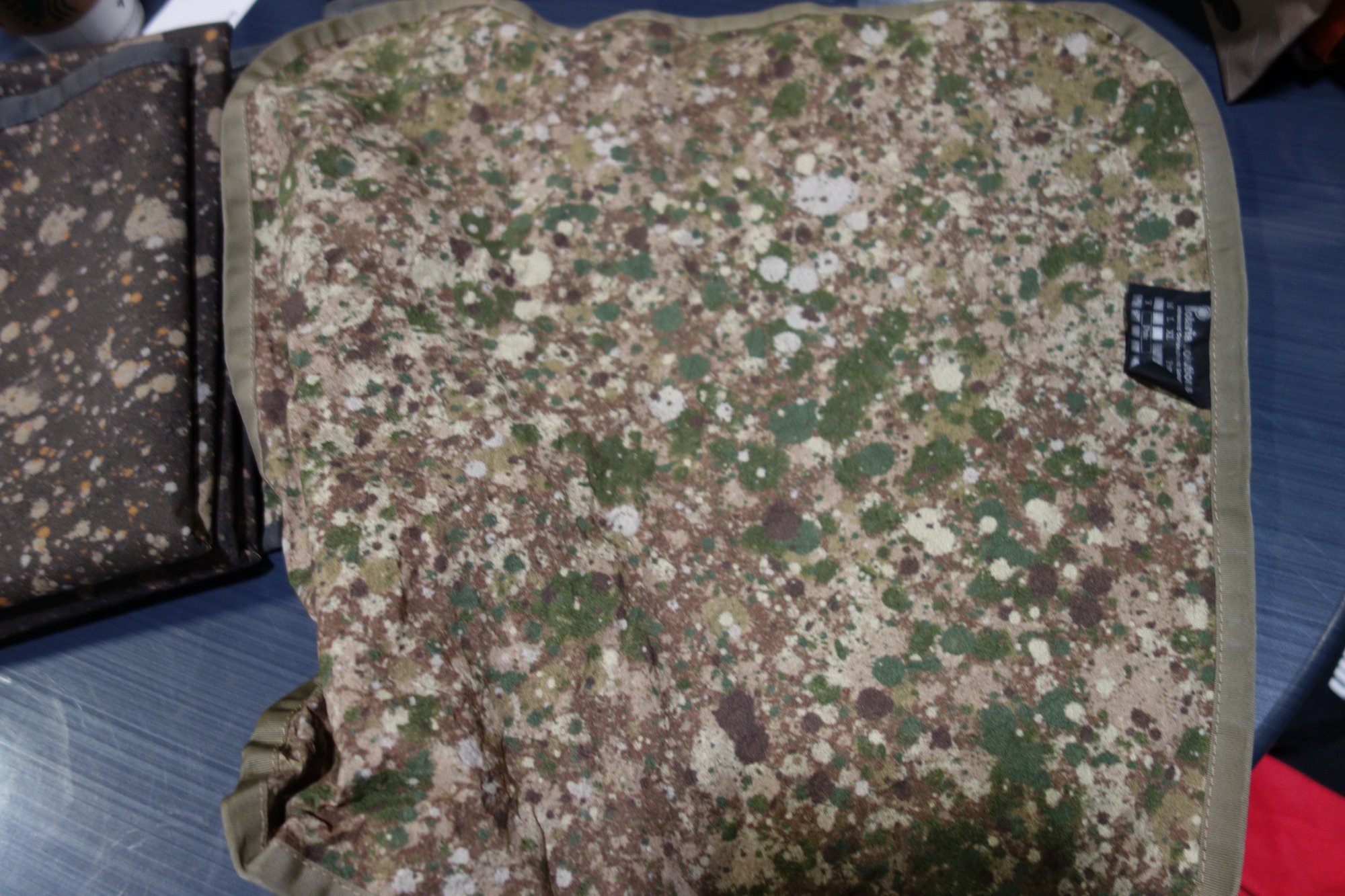
Future stealth technology requires multi-spectral camouflage providing simultaneous protection across radar, infrared, and visible light bands. Sophisticated detection technologies render single-band techniques insufficient [193].
Integrated Multi-Layer Design
- ZnS/Ge multilayer: Infrared wavelength-selective emission
- Cu-ITO-Cu metasurface: Microwave absorption
- Top layer: Visible camouflage optimization
Quad-Band Stealth Metasurface
- • >90% absorption in microwave (44.8-56.9 GHz)
- • >90% absorption in terahertz (1.65-2.39 THz)
- • >85% visible-light transmittance
- • 0.495 low infrared emissivity
Smart and Adaptive Materials
The ultimate goal is developing smart and adaptive materials that dynamically change properties in response to external stimuli. These materials would tune electromagnetic responses to counter specific threats in real-time, integrating sensors, actuators, and control systems [160].
Dynamic Response
Change radar-absorbing properties based on detected threats
Morphing Structures
Shape-changing capabilities for optimal stealth characteristics
Intelligent Systems
Integrated sensing, actuation, and energy transduction
3.2 Artificial Intelligence and Machine Learning
AI in Stealth Design and Optimization
AI and ML are revolutionizing stealth design by creating predictive models that learn complex relationships between physical structures and electromagnetic responses, circumventing exhaustive simulations. Deep learning models trained on massive datasets are dramatically more efficient than traditional optimization techniques [196].
Metasurface Design
Deep learning models establish mapping between unit cell patterns and reflection characteristics, enabling optimization of 16×16 lattices without evaluating 2^64 combinations.
Optimization Algorithms
PSO and simulated annealing optimize meta-atom arrangements for RCS reduction, achieving -10 dB reflection coefficients across 11.3-40 GHz.
ML for Radar Evasion and Path Planning
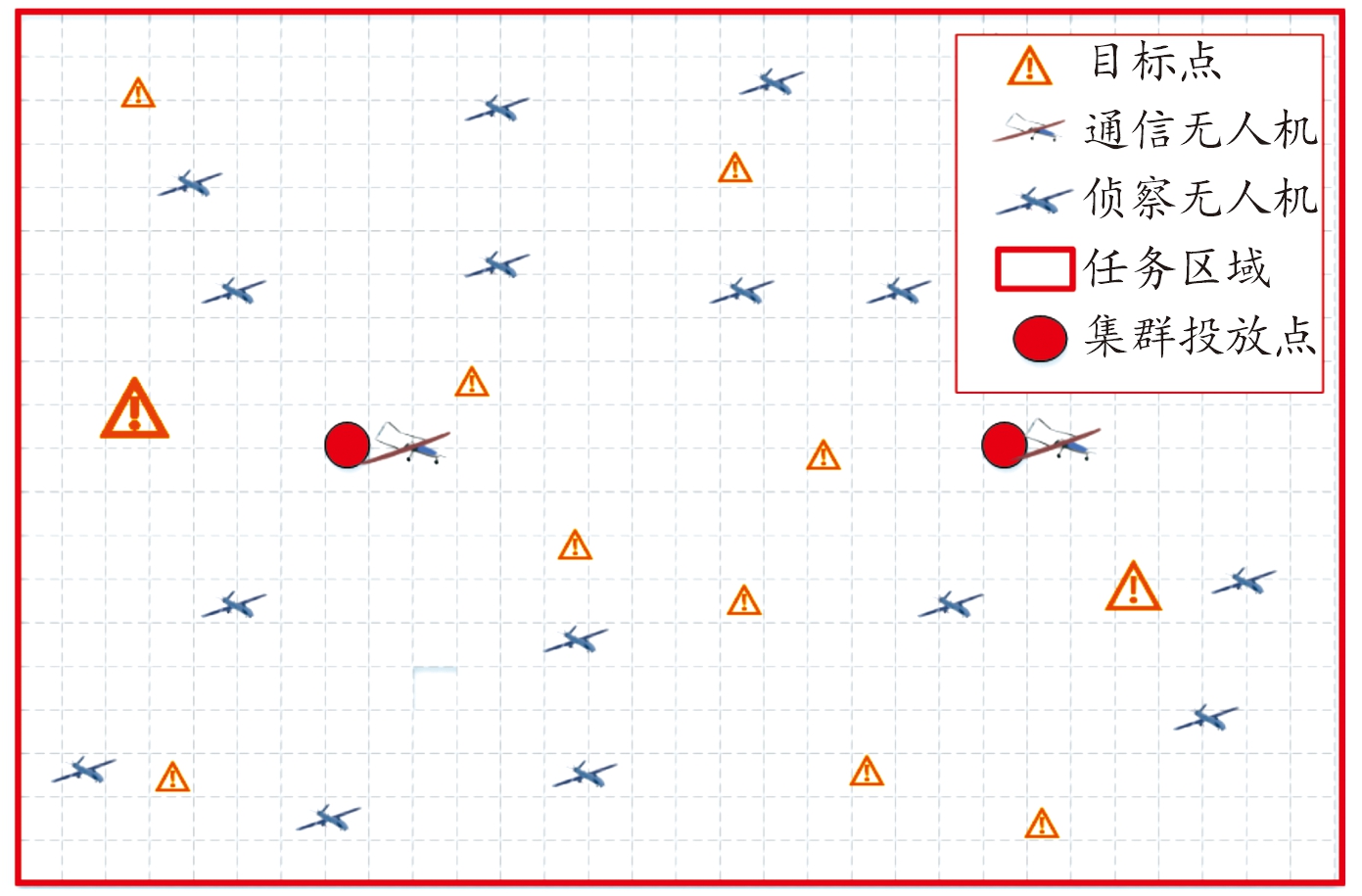
ML algorithms analyze real-time sensor data to identify threats, recommend evasive maneuvers, and plan flight paths minimizing detection risk. This enables higher autonomy and more effective responses to unexpected threats.
Autonomous Capabilities
- • Real-time threat classification
- • Optimal evasive maneuver planning
- • Radar-avoidance flight path optimization
- • Multi-sensor data fusion
AI-Powered Anti-Stealth and Detection Systems
The arms race between stealth and counter-stealth technologies has led to AI-powered detection systems that learn to identify subtle signatures distinguishing stealth targets from background noise. Traditional radar algorithms are vulnerable to low observability techniques, while AI offers adaptive, intelligent detection approaches [131].
AI-Based Feature Extraction
Advanced algorithms reveal stealth platforms by learning characteristic patterns and anomalies in radar returns, infrared signatures, and electromagnetic emissions.
Cognitive Radar Systems
Adaptive systems that modify transmission and processing parameters in real-time to optimize performance against specific targets and environments.
3.3 Next-Generation Platforms and Systems
Sixth-Generation Fighter Aircraft
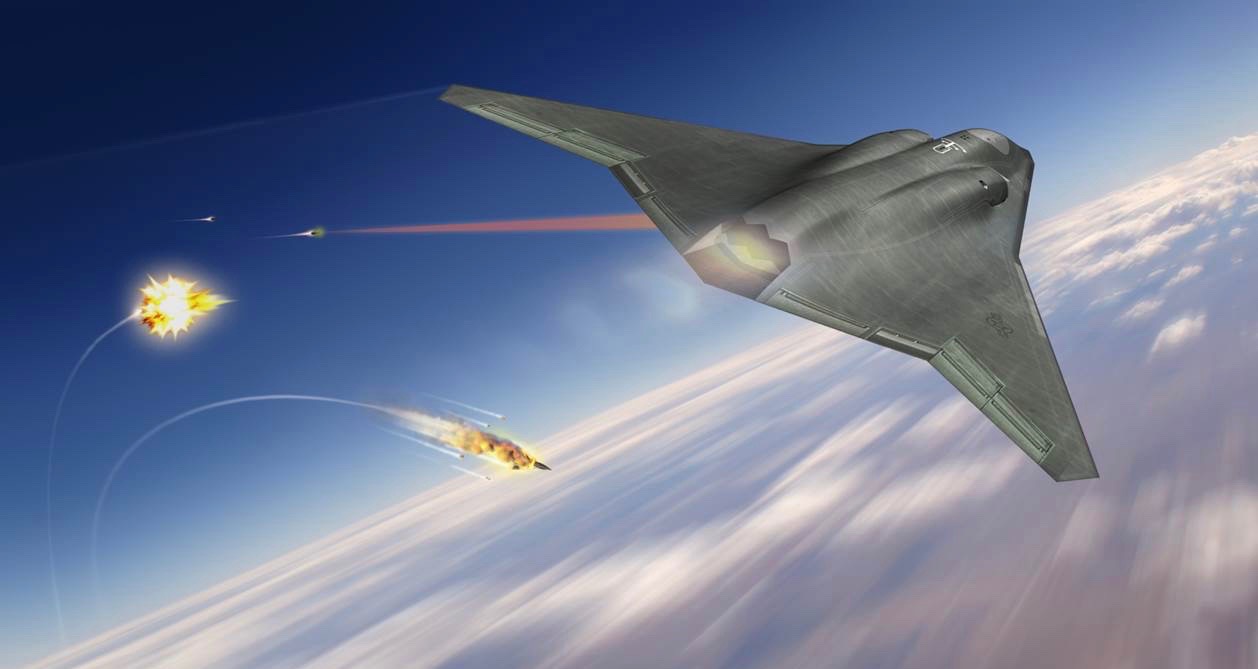
Development of sixth-generation fighters like the European Future Combat Air System (FCAS) and British-led Tempest program incorporates advanced stealth, AI, and directed energy weapons. These aircraft will feature significantly reduced RCS compared to fifth-generation fighters [152].
Key Features
- • Advanced multi-spectral signature reduction
- • AI-integrated sensor and avionics systems
- • Real-time battlespace awareness
- • Long-term air superiority maintenance
Advanced Stealth Drones and UAVs
Surveillance Missions
Covert intelligence gathering in contested airspace
Combat Operations
High-risk strike missions with reduced detection
Force Integration
Augmenting manned systems like B-2 bombers
Stealth-equipped UAVs and UUVs operate in highly contested environments with reduced detection risk. Integration of AI and ML enables higher autonomy and more effective responses to unexpected threats [155].
Hypersonic Weapon Systems
Hypersonic weapons traveling at Mach 5+ pose significant challenges to existing defense systems. Their extreme speed and maneuverability make tracking and interception very difficult. Stealth technology integration would further enhance survivability and effectiveness [135].
Design Challenges
- • Extreme temperatures creating large IR signatures
- • High-temperature RAM development requirements
- • Aerodynamic heating constraints on shaping
- • Advanced thermal management systems
Strategic Impact
Integration of stealth with hypersonic weapons could create virtually unstoppable weapons, significantly impacting future warfare despite the extreme technical challenges involved.
3.4 Emerging Detection and Counter-Stealth Technologies
Quantum Radar Systems
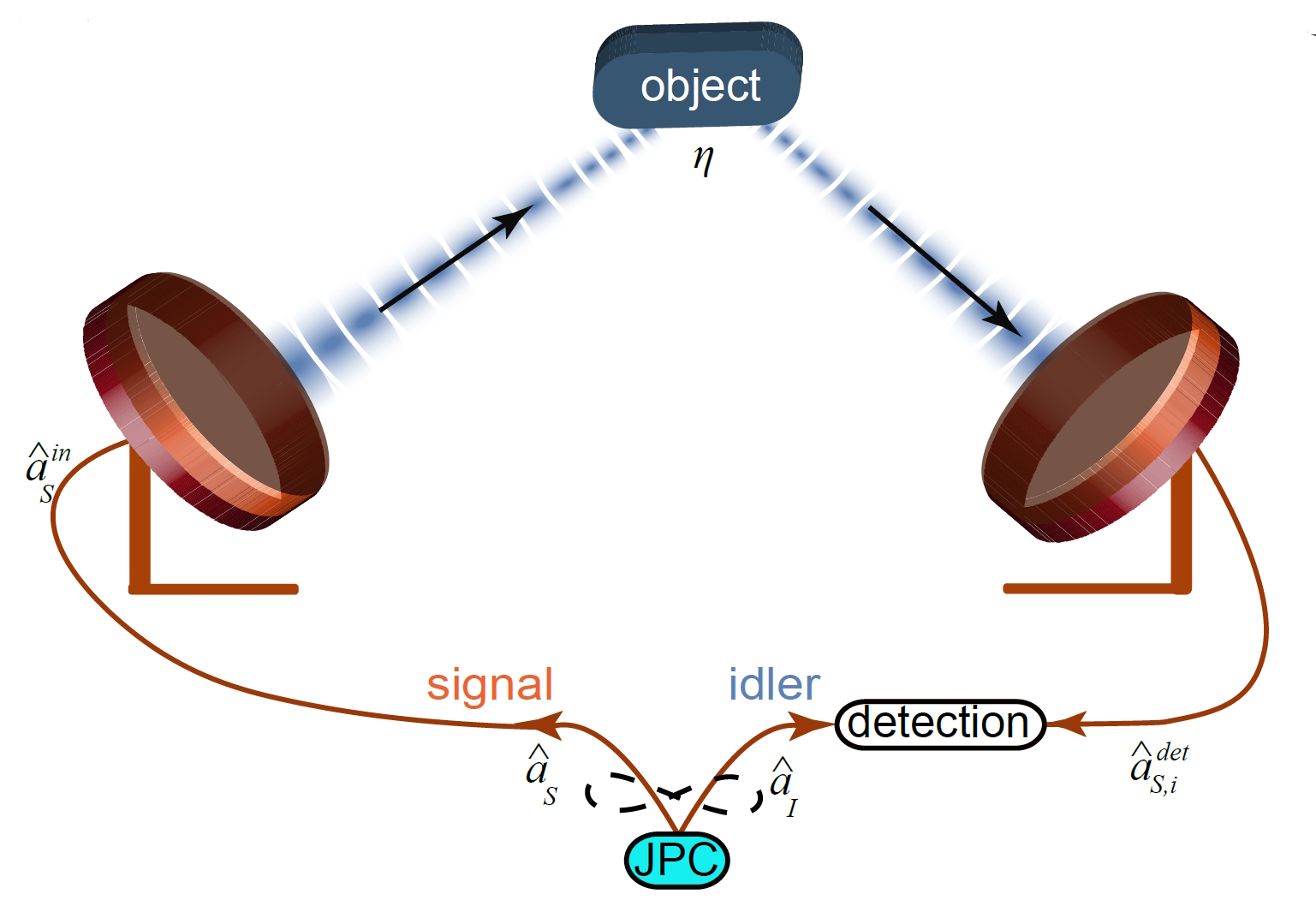
Quantum radar uses quantum phenomena like entanglement to detect objects with much higher sensitivity than conventional radar. Theoretically capable of detecting stealth platforms invisible to classical radar systems, this technology represents a potential game-changer.
China's Development
China has begun mass-producing the world's first ultra-low noise, single-photon detector, a key component for quantum radar systems, suggesting movement from laboratory to battlefield [146].
Multi-Static and Passive Radar Networks
Multi-Static Radar
Uses multiple geographically separated transmitters and receivers, making it difficult for stealth aircraft to avoid detection through shaping alone. Creates complex detection geometries that challenge traditional stealth designs.
Passive Radar Systems
Relies on existing electromagnetic signals (TV, radio broadcasts) instead of transmitting own signals. Creates covert surveillance networks that are difficult to jam and operate without revealing their presence.
Cognitive and Adaptive Radar
Cognitive radar systems use AI and ML algorithms to analyze the radar environment and adapt operating parameters in real-time. These systems can change frequency, waveform, or scanning patterns in response to detected threats, making it more difficult for stealth platforms to evade detection.
Frequency Adaptation
Dynamic frequency selection
Waveform Modulation
Adaptive signal processing
Pattern Optimization
Intelligent scanning strategies
Project Ideas: From Beginner to Advanced
Hands-on learning opportunities to apply stealth technology concepts at different skill levels
4.1 Beginner-Level Projects
Simulating Basic RCS of Geometric Shapes
A fundamental project introducing RCS principles through simulation of basic geometric shapes using MATLAB, Python, or specialized EM software.
Learning Objectives
- • Understanding RCS calculation principles
- • Shape and orientation effects on radar signature
- • Specular reflection concepts
- • Resonant scattering phenomena
Project Steps
- Research theoretical RCS formulas for basic shapes
- Implement calculations in programming environment
- Visualize RCS patterns across incident angles
- Compare stealth characteristics of different geometries
- Explore frequency and size parameter effects
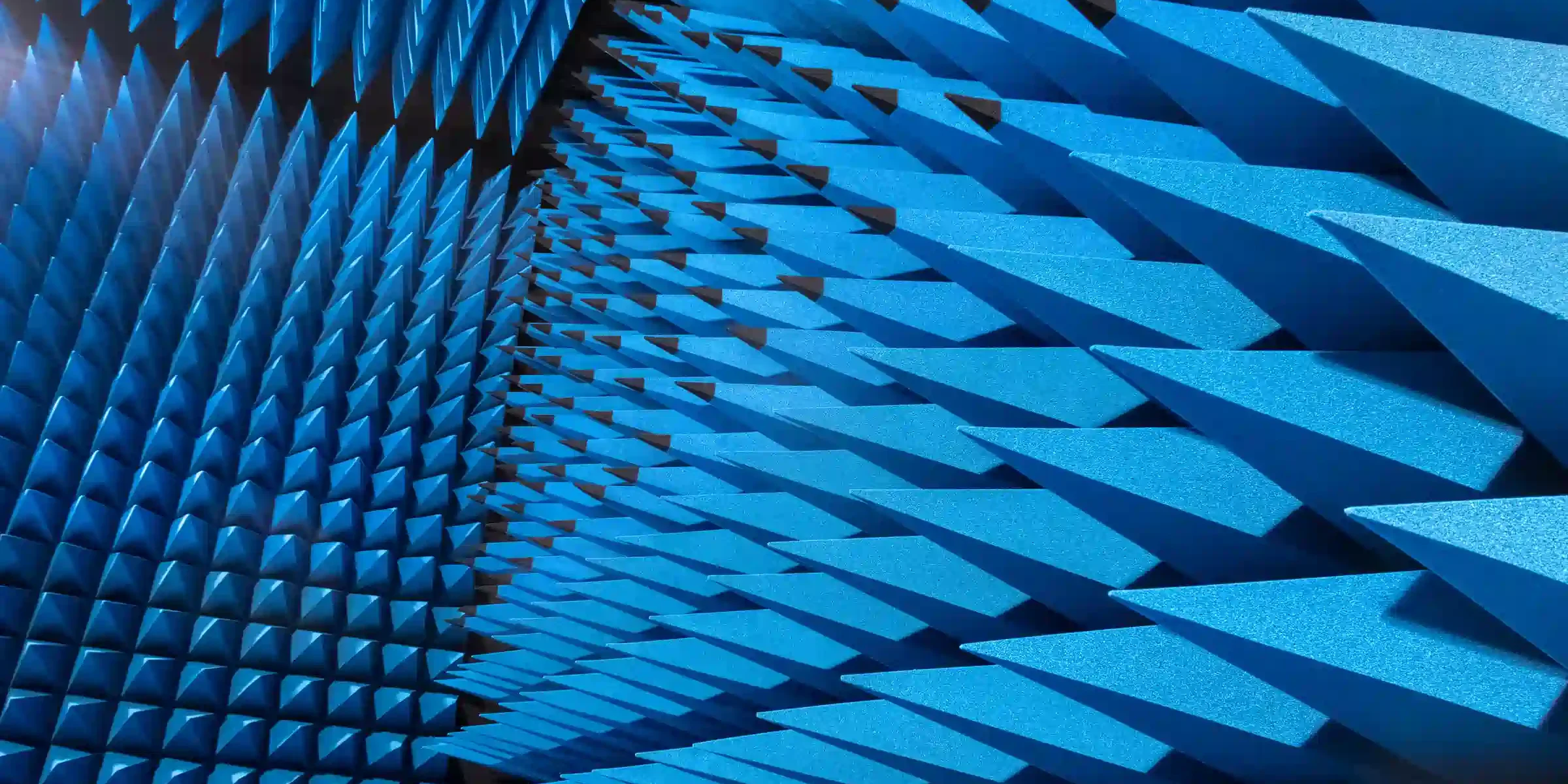
Designing a Simple Radar-Absorbing Material (RAM)
A practical introduction to RAM design using carbon-based materials, ferrites, and conductive polymers to create frequency-specific absorption materials.
Material Properties
- • Dielectric constant optimization
- • Magnetic permeability tuning
- • Thickness and composition effects
- • Frequency-specific absorption
Experimental Process
- Research RAM absorption mechanisms
- Select candidate materials and prepare samples
- Conduct waveguide or free-space measurements
- Analyze absorption properties at target frequency
- Optimize formulation for desired performance
4.2 Intermediate-Level Projects
Optimizing a 2D Shape for Minimum RCS
Build on basic RCS simulation by introducing shape optimization using genetic algorithms or particle swarm optimization to find 2D shapes with minimum RCS for given constraints.
Optimization Concepts
- • Genetic algorithm implementation
- • Particle swarm optimization
- • Parameterized shape representation
- • Fitness function design for RCS minimization
Technical Implementation
- Implement optimization algorithm in programming environment
- Create function for generating parameterized 2D shapes
- Develop RCS calculation function for generated shapes
- Apply optimization to find minimum RCS configurations
- Analyze trade-offs across different aspect angles
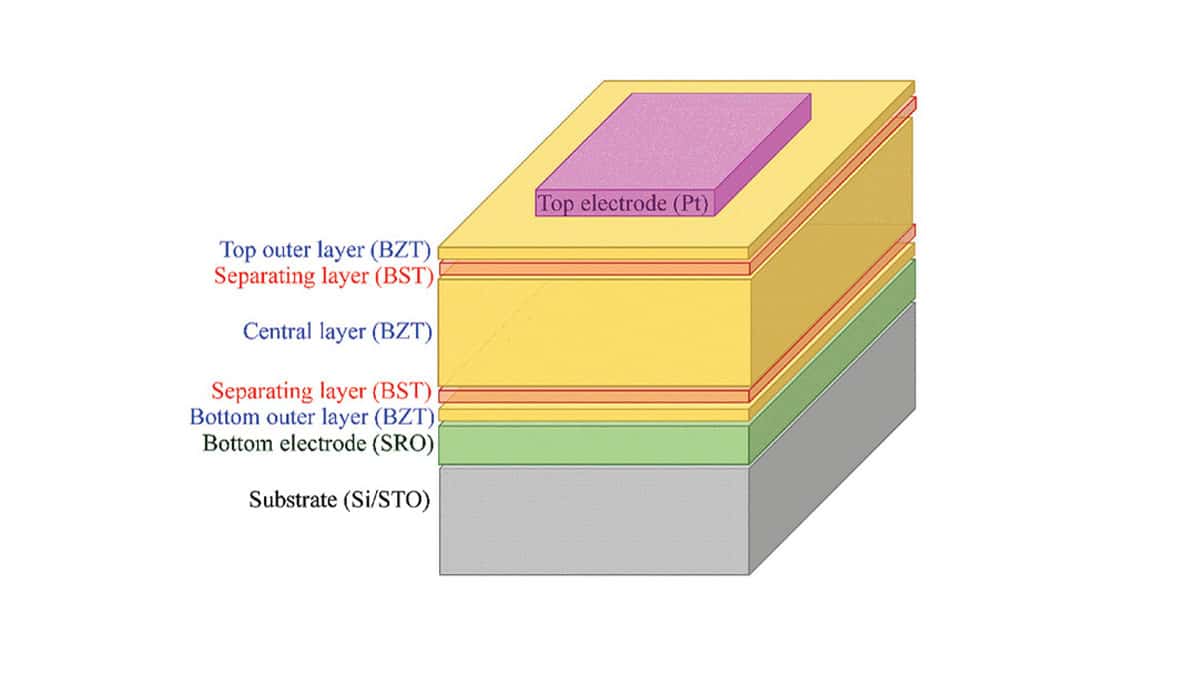
Simulating a Multi-Layered RAM Structure
Build on simple RAM design by simulating multi-layered structures using the transfer matrix method to model reflection and transmission properties across frequency bands.
Advanced Concepts
- • Transfer matrix method implementation
- • Multi-layer structure optimization
- • Broadband absorption design
- • Resistive sheet and dielectric spacer integration
Simulation Process
- Research transfer matrix theoretical principles
- Implement method in programming environment
- Define layer properties (thickness, dielectric constant)
- Calculate reflection/transmission coefficients
- Optimize for specific frequency band performance
4.3 Advanced-Level Projects
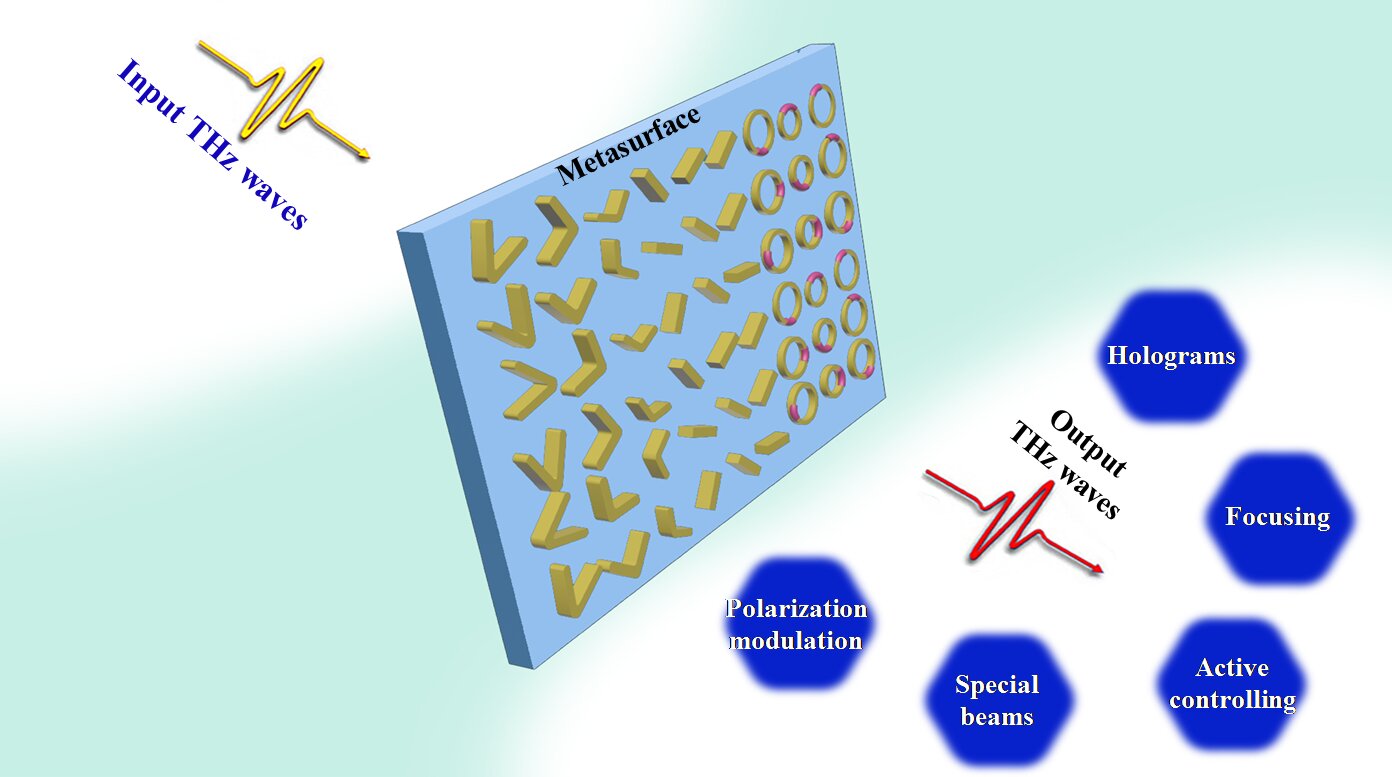
Designing a Metasurface for Broadband RCS Reduction
Use full-wave electromagnetic simulators (HFSS, CST) to design metasurfaces achieving significant RCS reduction over wide frequency bands through unit cell optimization.
Advanced Design
- • Unit cell geometry optimization
- • Full-wave electromagnetic simulation
- • Broadband performance optimization
- • Polarization-insensitive design
Design Process
- Research metasurface design principles
- Design unit cell using full-wave simulator
- Optimize dimensions for desired properties
- Create large array and simulate performance
- Investigate active elements for reconfigurability
Simulating Multi-Spectral Stealth
Combine simulations (radar, infrared, visual) to model and optimize platform signatures across multiple detection spectrums, investigating trade-offs between different stealth approaches.
Multi-Spectral Integration
- • Radar signature simulation
- • Thermal signature modeling
- • Visual signature analysis
- • Cross-spectrum optimization trade-offs
Simulation Workflow
- Model radar signature with EM simulator
- Analyze thermal signature with thermal tools
- Evaluate visual signature with rendering software
- Investigate material conflicts between spectra
- Design adaptive signature capabilities
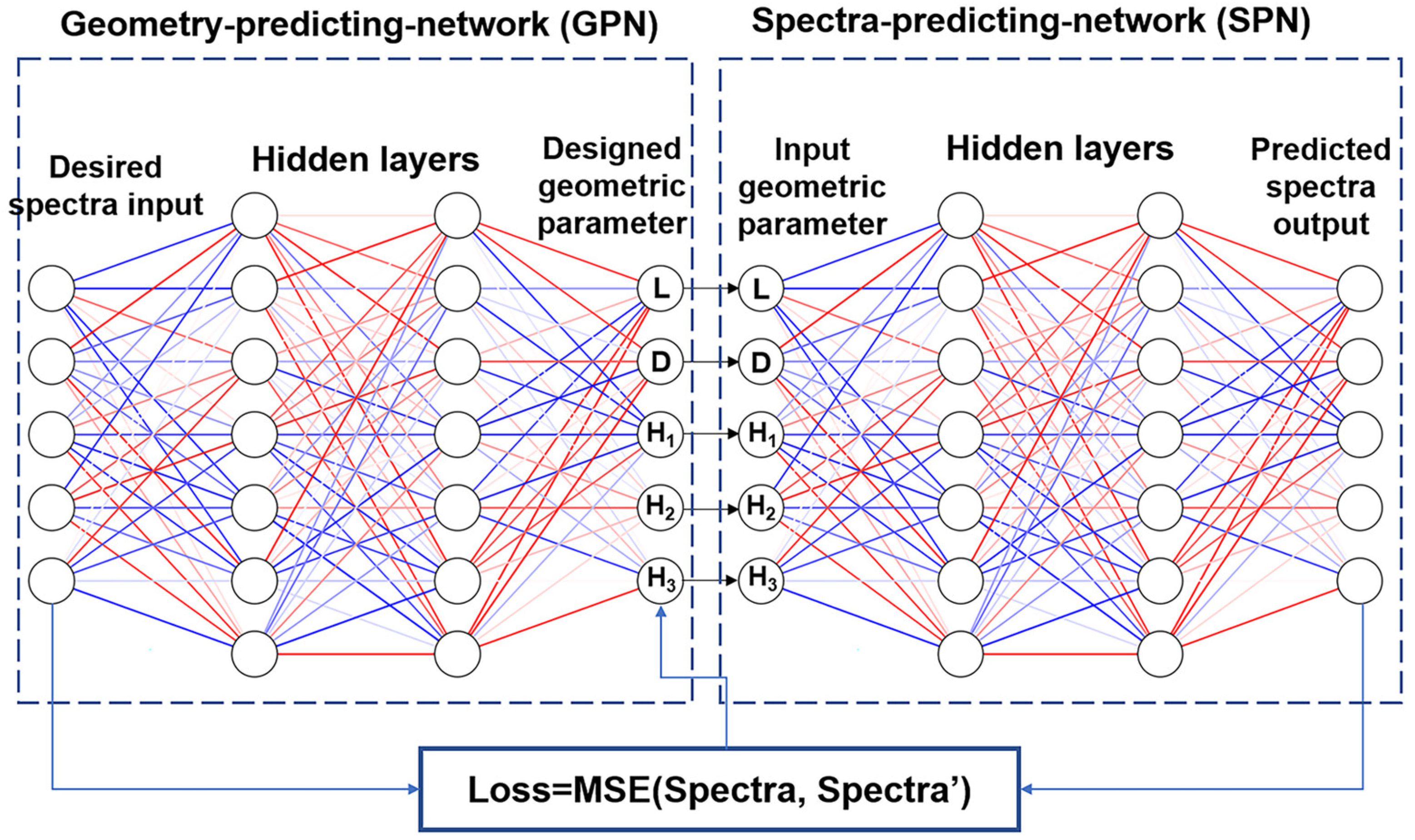
Implementing Deep Learning for Stealth Optimization
Use TensorFlow or PyTorch to train neural networks for RCS prediction and shape optimization, implementing AI-driven design workflows for stealth applications.
AI Implementation
- • Neural network architecture design
- • Training dataset generation
- • CNN/GAN implementation
- • Transfer learning applications
Implementation Steps
- Design neural network architecture (TensorFlow/PyTorch)
- Generate training dataset using EM simulator
- Train model for RCS prediction from geometric parameters
- Implement shape optimization using trained model
- Investigate transfer learning for complex objects
Developing a Counter-Stealth Detection Algorithm
Create advanced signal processing algorithms using machine learning and deep learning to detect faint signatures of stealth platforms in noise and clutter environments.
Detection Technology
- • Advanced signal processing techniques
- • Machine learning classification
- • Multi-sensor data fusion
- • Cognitive radar adaptations

Algorithm Development
- Research counter-stealth detection principles
- Generate radar signal dataset (stealth/non-stealth)
- Design ML model for stealth target classification
- Implement multi-sensor data fusion
- Develop deep learning feature extraction